The author Ken Wyder discusses his memoir Kill Not the Butterfly (Vespera Collective, 2026), with Joseph Planta.
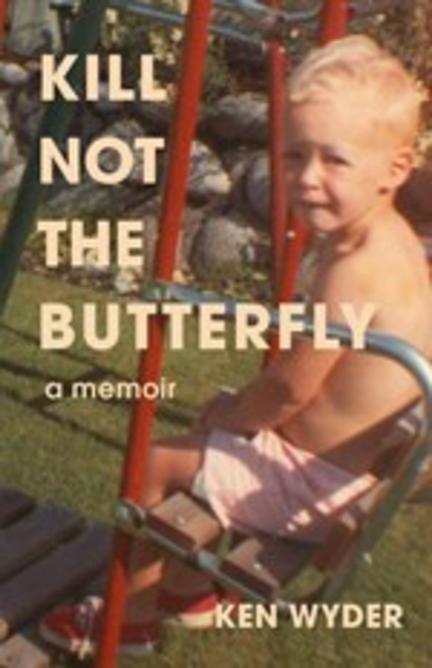 |
Kill Not the Butterfly by Ken Wyder (Vespera Creative, 2026).
Click to buy this book from Amazon.ca: Kill Not the Butterfly [1] |
Text of the introduction by Joseph Planta:
I am Planta: On the Line, in Vancouver, British Columbia, at TheCommentary.ca.
One of the more interesting memoirs of the season is Kill Not the Butterfly by Ken Wyder. He joins me now to relive a lot of his life which he writes about in a book that’s described as harrowing and unsettling, as well as the journey from blame and abuse, to forgiveness and clarity. Ken Wyder’s father Fred, had founded the electrical and mechanical firm that would become Canem. Fred was married to Helen, the granddaughter of Charles P. Bentall, a draftsman who would join Dominion Construction, eventually managing and then becoming president and its majority shareholder. Throughout the Twentieth Century, Dominion and Bentall were synonymous with building and building up in Vancouver. Today five large towers in the Downtown core bear the Bentall name. Fred Wyder’s electrical company is brought into the Bentall empire but his ambitions seemed incompatible with strict nature of the Bentall business, which was rooted in Christian values, philanthropy, and a sort of conservatism that repressed emotion. This would come to affect Ken as he grew up with his siblings. Fred and Helen’s marriage comes apart, and soon Ken has to navigate the expectations of being part of a storied family in town, with the reality of growing up and trying to make a living, not to mention contend with the intergenerational trauma that fuels a path of self-destruction. There’s brutal physical abuse. The book does not spare its author of any blame for rage and abuse he might have inflicted on others, but it also finds himself reckoning with the weight of his family’s privilege and prestige. He himself didn’t grow up with incredible fortunes as we read in the book, but proximity to it inevitably clouds his judgment at times, or outright affects the course of his life and those around him. The book is also a time capsule of the culture kids like Ken consumed in the 1960s and 1970s, and the sort of Vancouver that he’s experienced then and now. The book is published by Vespera Creative. We spoke last week, with Ken joining me from here in Vancouver. Please welcome to the Planta: On the Line program, Ken Wyder; Mr. Wyder, good morning.
Podcast: Play in new window [2] | Download [2] (29.1MB)
Subscribe: RSS [3]